
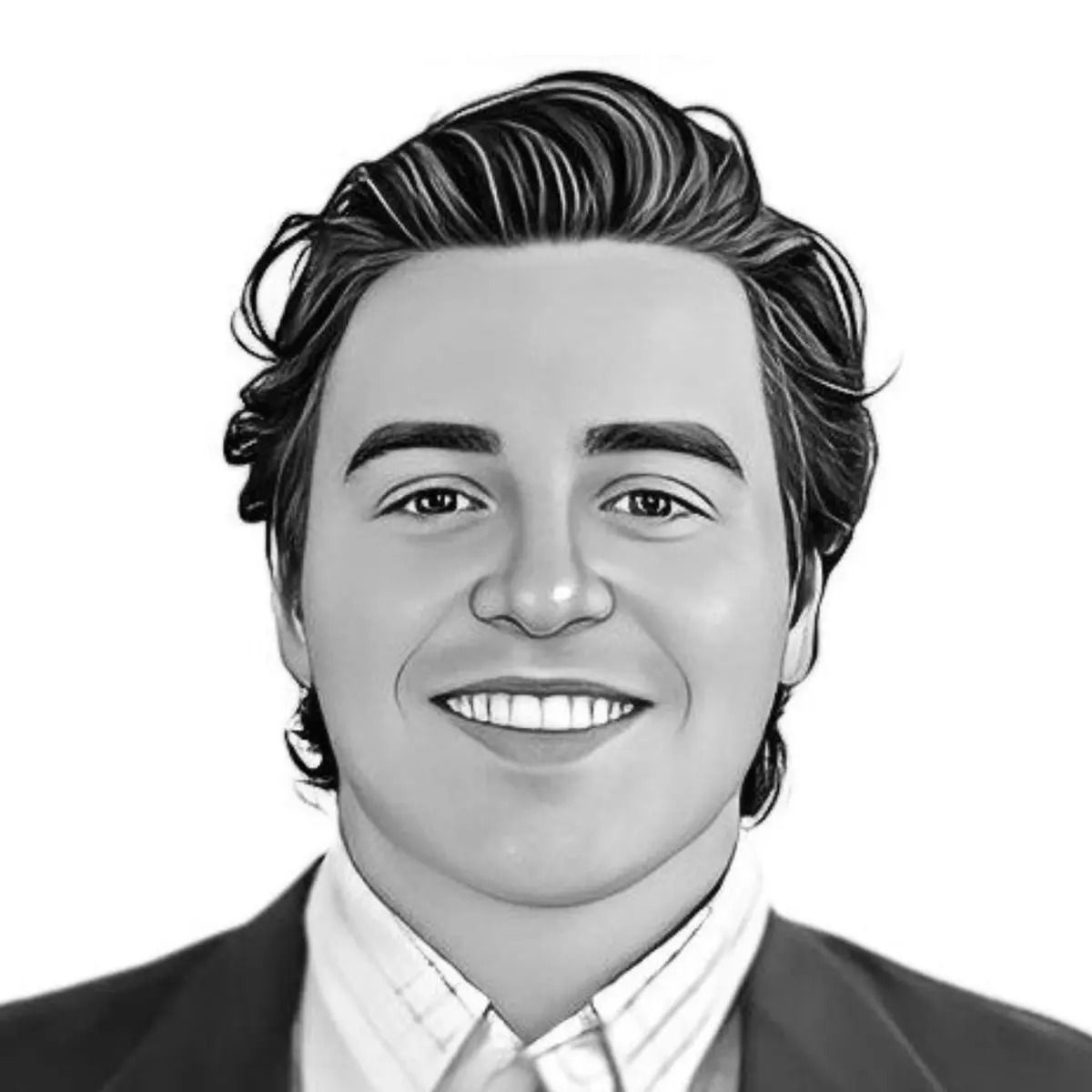
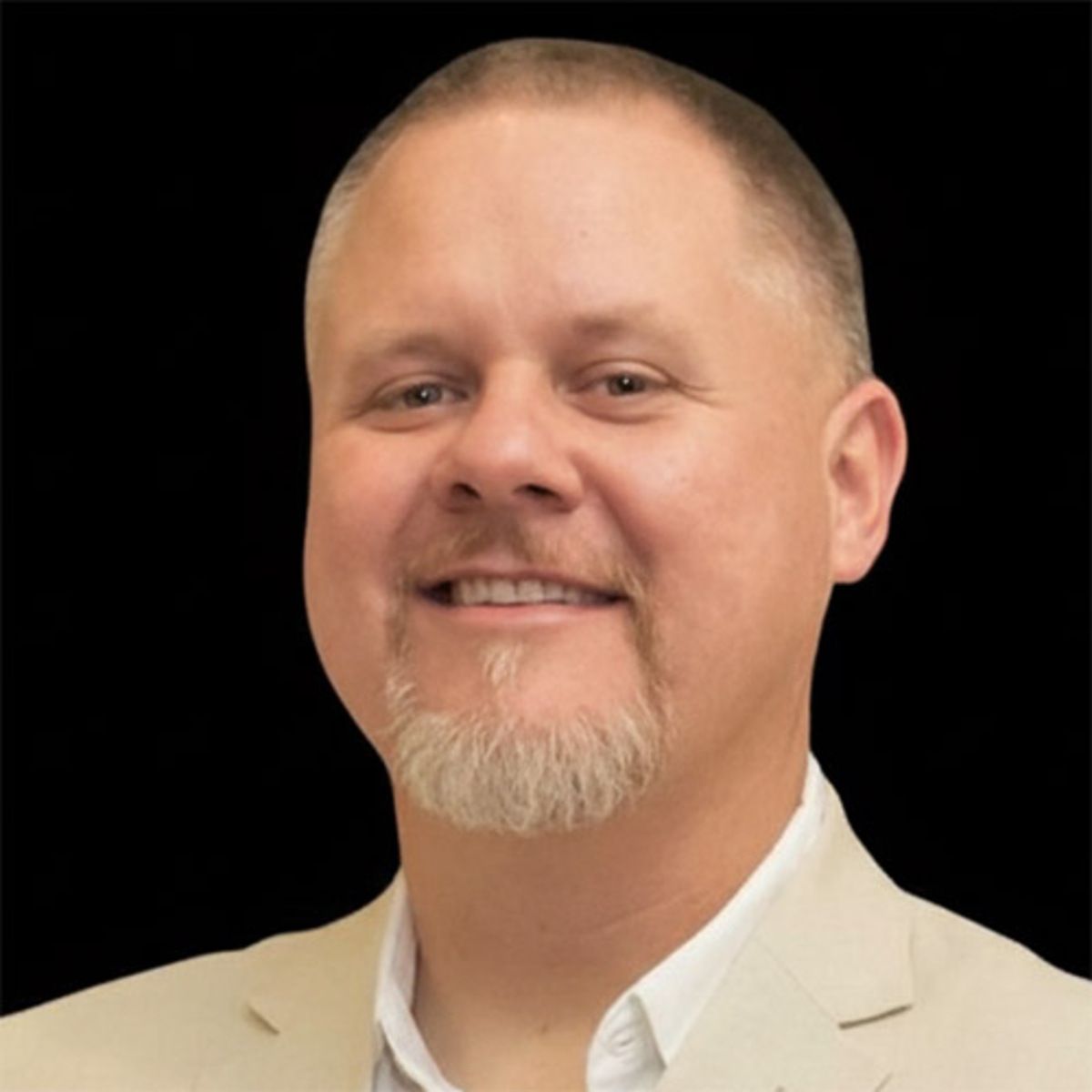
Bitcoin’s first “mining museum” started as abandoned junk, and now it wants to become the Smithsonian. Tobias, better known as “TheCoinDad,” did not set out to start a museum.
He ran a shop, lived through bear markets, and watched people leave behind miners they no longer wanted. “People kind of left their miners at my shop. Didn’t want them back anymore because they were useless or worthless,” he told me. So he stacked them on shelves.
One weekend, he looked up and noticed he had accidentally built a timeline. “I just see all these different models and I start cleaning them up and organizing them in chronological order.”
That moment turned into a habit. Then the habit turned into a mission. TheCoinDad started buying more machines, trading with old-timers, and talking to early Bitcoin miners who still had strange hardware sitting in attics and sheds. “It’s like trading cards, but Bitcoin miners,” he said, and he meant it.
Then he asked the question that should make every Bitcoiner slightly uncomfortable: if Bitcoin really is as important as we say it is, why wasn’t anyone preserving its physical history?
“I went online and I looked for a Bitcoin museum to actually donate my miners to and there was nothing out there,” TheCoinDad said. “I was blown away that nobody's bothering to preserve the history of Bitcoin.”
His argument is simple: you might not be able to touch a bitcoin, but you can absolutely touch the infrastructure that keeps the network honest. “Miners, they’re the backbone of Bitcoin,” he said. “That’s the DNA of the Bitcoin blockchain.”
From Shelves to Conferences to a 30,000 Dollar Trailer
The museum went public when conferences noticed something important: a wall of mining history pulls people in. Mining Disrupt invited him to show the collection. Instead of charging him for a booth, they covered expenses because the exhibit brought attention. “They actually paid me to come out because I attract people to the conference with the museum,” he said.
From there, the snowball grew. OGs visited, got excited, and started donating leads and hardware. TheCoinDad built a team of what he calls “hashtorians,” people who get weirdly motivated by the hunt for rare machines.
Eventually, his Suburban couldn’t haul it all. So he spent real money to keep the history safe. “I had to invest about 30 grand into a trailer dedicated to the museum with foam padding and customized shelves,” he said. Today the collection is 136 distinct machines, enough to fill roughly 1,500 square feet on a conference floor.
As the collection matured, the hunt got harder. The common models are easy. The rare stuff is not. He’s chasing the weird gaps in mining’s evolution: CPU to GPU to FPGA to ASIC. FPGA, he pointed out, was a blink. “FPGA was only like 10 months and it’s like a blimp in the history of Bitcoin mining until ASIC just took over in January 2013.”
He held up one of his favorite artifacts on a recent podcast: an FPGA “Quad Miner” from 2012. Each chip does a tiny amount of hashpower by today’s standards. “This whole thing is just one gigahash,” he said.
But at the time, it mattered. He said it could mine “like 50 Bitcoin blocks a day on average.” He compared owning early mining gear to owning a garage-era Apple computer: not because it’s fast, but because it marks the moment the future became real. “It’s kind of like having Steve Jobs Apple Macintosh computer from his garage in 1976, but for Bitcoin.”
That also explains why he worries about risk in a way most collectors don’t. A museum piece can be replaced. A one-of-one prototype cannot. He described hitting a pothole in Miami. The trailer bounced, a shelf failed, and a miner broke.
It was replaceable, but the incident changed his thinking. “What if I get t-boned at an intersection? What if I flip this trailer and all of these miners break and like half a decade of work is gone?” That’s when the goal shifted from “cool traveling exhibit” to “this needs a home.”
The Avalon 1 Story and the Case for Bitcoin as a Coordination Tool
TheCoinDad’s best story might be how he found the Avalon 1, often described as the first dedicated Bitcoin ASIC miner. After years of searching, he got a message on Telegram at the worst possible time, close to April Fools. “I have an Avalon 1. You interested?” he remembered. He assumed it was a prank. So he demanded proof, fast: “Put the miner on a chair, and walk around and do a 360 video and send it to me in the next 30 minutes.”
Twenty minutes later, the video arrived. The seller was in Sweden, a vintage Apple computer repair guy who bought the machine for “10 bucks or something” at a yard sale and forgot about it for years.
Then he searched “Bitcoin museum,” found TheCoinDad, and downloaded Telegram and made a brand new account, just to message him, which made him look like a scammer. The deal hit every friction point you’d expect with cross-border legacy finance, shipping, fees, payment rails, delays.
Then TheCoinDad asked the obvious question. Why not just pay in bitcoin? The seller didn’t have a wallet or exchange account so TheCoinDad walked him through the setup. “It took like four days of back and forth with him, but I orange pilled this guy and we agreed on a Bitcoin price and he got paid within a matter of minutes,” he said. Two weeks later, the Avalon showed up via DHL.
It’s a great example of something people miss when they think Bitcoin is “just money”: it’s also a coordination layer. A collector in the U.S. and a repair guy in Sweden made a high-trust transaction over a weekend without waiting for banks. TheCoinDad said it plainly: “No banks were open… everything was almost instant and he got paid and shipped it out.”
From Mining Museum to Bitcoin Discovery Center
The next step is what makes this story bigger than a collector’s hobby. At a conference in Dallas, TheCoinDad upgraded his exhibit with LED lighting and a more modern look. He openly admitted he was competing with the attention economy.
“Many people nowadays, they get their dopamine off of pretty things, flashy things,” he said. That upgrade led to introductions that changed everything: he met the owners of a massive repair center called ACS in Dallas and saw an empty 30,000 square foot space attached to it.
Then, in the same stretch of time, a connection through the Texas Blockchain Council led him to a meeting with Lee Bratcher. TheCoinDad pushed for 15 minutes in person before he flew home.
Those 15 minutes resulted in an unusual shortcut: the Texas Blockchain Council had an existing nonprofit entity that wasn’t doing much. Bratcher made a call. “Give it to Tobias. Let him take it over,” TheCoinDad recalled that as a result he was able to skip three years of work to set up a non-profit.
That nonprofit foundation is now the platform for the Bitcoin Discovery Center, which the team is building in that Dallas facility. They already set up basic operational controls, including BTCPay Server and multi-signature security practices. They even had a small moment of Bitcoin humor when choosing a phone number: the last four digits add to 21, and the first 3 numbers are “256,” a nod to SHA-256.
What the Center is Supposed to be
TheCoinDad’s vision is not “look at old miners behind glass.” It’s an education and training hub with multiple lanes of activity, because a 30,000 square foot facility with 25,000 dollars a month in rent does not pay for itself on vibes.
Here’s the plan, as he described it, in plain terms:
A physical museum of mining history:
The exhibit is the hook because it makes Bitcoin feel real. “My museum is literally the only tangible part of the Bitcoin blockchain,” TheCoinDad said. His point is that it’s hard to dismiss Bitcoin as imaginary when you are standing in front of 17 years of hardware evolution.An “orange pill crash course” for students:
TheCoinDad is collaborating with a PhD professor from New York, Michael Kelly, who built what he described as the first Bitcoin blockchain course in America. The idea is school buses of students come in, learn why “the US dollar is a melting ice cube,” tour the mining timeline, then do a classroom Q&A on Bitcoin basics. Students leave with a certificate.Education for policymakers and CEOs:
He wants structured sessions for politicians who “don’t know anything about Bitcoin,” and he sees the museum as a way to cut through talking points.Workforce training and repair internships:
With a major repair center next door, the center could help train technicians for mining companies that need chip-level repair skills. He believes there’s a gap in formal training pipelines for this work in the U.S.Event space:
The center can host up to roughly 400 people. That creates revenue opportunities and also gives conferences a place for side events. TheCoinDad joked that Bitcoin maxis who fall in love with another Bitcoiner can host a Bitcoin-themed wedding surrounded by mining history.A storefront that sends people home with tools:
On the way out, visitors could buy nodes, Bitaxes, miners, books, trading cards, and merch. TheCoinDad mentioned conversations with companies like Start9 and others, plus support from Bitcoin Trading Cards. The idea is simple: if someone finally “gets it,” they should be able to buy the basics right there.
Why TheCoinDad is the Right Kind of Person to do This
TheCoinDad does not present himself as a polished finance guy. He’s open about being a US Military Veteran, traveling to 30 countries, and seeing how broken money harms people in places where survival is the priority. He described buying Iraqi dinar, then watching it become “wallpaper and toilet paper.”
He’s also open about a darker chapter, describing a time he was dealing drugs and learning practical lessons about scarcity and holding inventory. “I learned hodling scarcity and price go up on the streets of Houston,” he said. He is careful to frame it as a past he doesn’t celebrate, but he argues it helped him grasp Bitcoin faster than credentialed professionals.
He also describes Bitcoin as something that changes how you see the rest of life. In a funny, very human rant, he talked about standing in a bank line watching people pull out checkbooks and feeling like he was watching a museum exhibit in real time. “I feel like I’m in the future walking through the present waiting for the past to catch up with me,” he said.
Then, without missing a beat, he connected Bitcoin curiosity to diet and backyard chickens. “Bitcoin taught me the health side, too,” he said, describing weight loss and cutting inflammation after starting carnivore, and choosing to raise chickens because he doesn’t trust industrial food systems. Whether you agree with his conclusions or not, the broader point is clear: Bitcoin for him is not a chart, it’s a lens.
If you want a single line that captures his motivation, it’s this: he built a job out of something that didn’t exist before. “It’s dope to think that I created a job out of thin air that never existed before,” he said. That’s true of Bitcoin itself, and it’s also true of the kind of cultural infrastructure Bitcoin still lacks.
If he pulls this off, the Bitcoin Discovery Center will not just preserve mining history. It will give Bitcoin a place you can walk into, point at, and argue with in person. For a technology that still gets dismissed as fake internet money by critics, that kind of physical proof makes a big difference.
How to Learn More or Support
You can donate sats or cash to the Bitcoin Discovery Center on their website https://www.bitcoindiscoverycenter.com/
You can also follow their progress on X (https://x.com/DiscoverBDC) while they work on getting the center set up. For those looking to make larger donations, the preferred method is via direct wire to avoid processing fees, and he’s open to naming rights for early major contributors.

100% of the Sats go directly to the author


